
Progress reports in early childhood education help teachers track development, communicate growth to families, and support student learning. Effective progress report ideas include narrative reports, checklists, rubrics, digital portfolios, and student-led reflections. The best approach combines specific observations, clear language, and consistent documentation throughout the year.
For many early childhood educators, progress report season can feel overwhelming. Writing reports takes time, requires careful observation, and often competes with already busy classroom schedules. Yet progress reports remain one of the most valuable tools in early childhood education. They help teachers track development, give parents insight into their child’s growth, and provide students with opportunities to celebrate accomplishments.
Whether you’re looking for new progress report ideas or searching for better ways to organize your reporting process, the right approach can make reports more meaningful, efficient, and engaging for everyone involved.
The Purpose of Progress Reports
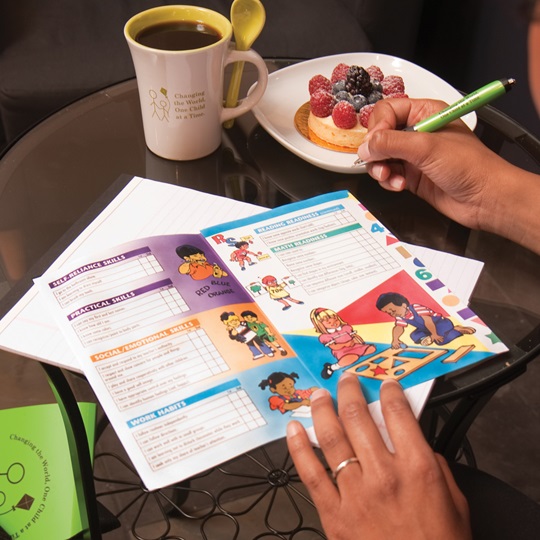
Progress reports are designed to communicate a student’s growth, achievements, and developmental milestones over a specific period. When used effectively, they create a partnership between teachers and families – one that directly supports student success.
A well-crafted progress report helps educators and families:
- Inform parents about academic performance and social development
- Identify strengths and areas that need additional support
- Guide educational planning for the months ahead
- Monitor developmental milestones across cognitive, emotional, and social domains
- Encourage family involvement in the learning process
Types of Progress Reports for Young Learners
Different reporting styles work better for different classrooms and age groups. Understanding your options is the first step toward choosing the right format.
Narrative Reports
Narrative reports provide written observations that describe a child’s development in detail. They’re highly personalized and easy to customize, but they’re also the most time-consuming format to produce.
Best for: teachers who want to capture the full picture of a child’s growth in their own words.
Checklist Reports
Checklist reports allow teachers to quickly indicate whether students have mastered specific skills. Parents find them easy to read at a glance, though they offer less room for personalization.
Best for: large classrooms where efficiency matters, or when reporting on clearly defined skill sets.
Rubric-based Reports
Rubrics evaluate student performance using achievement levels, making it easy to track growth consistently across reporting periods. They may require a brief explanation for families who aren’t familiar with the format.
Best for: schools that want standardized, comparable data across classrooms.
Effective Early Childhood Progress Report Ideas
The most useful progress reports cover several key development areas:
- Academic Development: literacy skills, math concepts, problem-solving, and classroom participation
- Social Development: cooperation, sharing, teamwork, and communication with peers
- Emotional Growth: confidence, self-regulation, independence, and resilience
Specific examples are what separate a meaningful report from a generic one. Instead of writing “Emma is doing well with letters,” try: “Emma independently identified all uppercase letters during classroom activities and demonstrated increasing confidence when reading aloud.”
That level of detail gives families a real window into their child’s day. That’s what makes progress reports worth reading.
Creative Progress Report Ideas to Engage Families
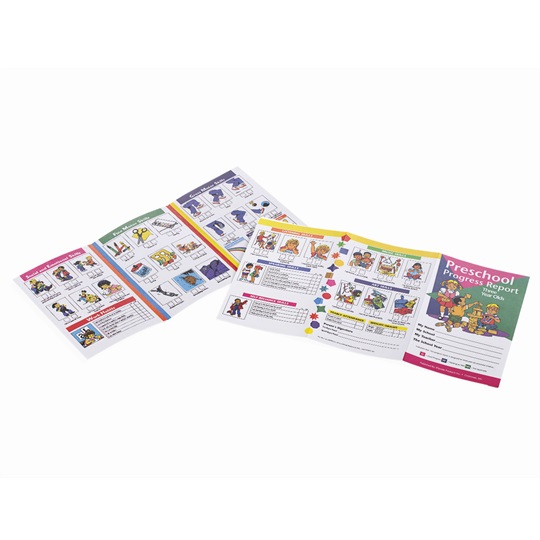
If standard formats feel stale, these creative progress report ideas can bring new energy to your reporting process.
Ready-to-use Progress Report Templates
Pre-designed templates save time and provide consistent documentation across your classroom. They typically include organized categories, a professional layout, and an easy way to compare growth throughout the year. For educators who struggle with where to start, idea progress reports built around ready-made templates are a practical first step.
Digital Progress Report Ideas
Online reports open up new possibilities. Teachers can include photos, short videos, learning portfolios, and progress charts to give families a richer, more visual snapshot of their child’s development.
Student Portfolio Reports
Portfolio-based reports combine student artwork, writing samples, photos, and teacher observations into a single document. They tell the story of a child’s growth in a way that numbers and checklists simply can’t.
Visual Progress Reports
Growth charts, development trackers, skill checklists, and achievement badges help families quickly understand where their child stands. Visual elements are especially effective for communicating developmental milestones to parents who may feel intimidated by formal report language.
Involving Students in the Progress Report Ideas Process
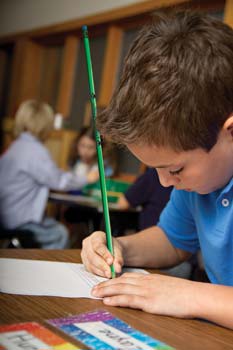
Even young students can play a meaningful role in documenting and reflecting on their own learning. Involving them builds confidence and teaches ownership of growth.
Encourage self-assessment by asking simple questions:
- What are you proud of?
- What did you learn recently?
- What would you like to get better at?
Including student work samples provides tangible evidence of growth that parents can see and hold. Allow students to help select pieces for their portfolios or progress report folders. When children feel invested in the process, they’re more likely to engage with the feedback that comes from it.
Communicating Progress Reports to Parents
Progress reports should strengthen, not complicate, the relationship between school and home. A few best practices make a real difference:
- Use clear, jargon-free language that any caregiver can understand
- Focus on growth and development, not just performance scores
- Lead with strengths before addressing areas for improvement
- Provide actionable suggestions families can try at home
When addressing concerns, stay objective. Offer specific examples rather than vague statements, and always pair challenges with support strategies. Positive, collaborative communication turns families into active partners in their child’s education, which benefits everyone.
Tracking Student Progress Over Time
Monitoring growth across multiple reporting periods provides the kind of long-term insight that single snapshots can’t offer. A consistent tracking system makes this possible.
Throughout the year, maintain:
- Observation notes collected during everyday classroom activities
- Assessment records tied to developmental milestones
- Work samples that show growth over time
- Milestone checklists updated on a regular schedule
When the next reporting period arrives, review previous reports to identify growth patterns, monitor skill development, and adjust learning goals accordingly. Teachers who document consistently throughout the year find report-writing season far less stressful, because the work is already done.
Completing Progress Reports More Efficiently
Time management is one of the biggest challenges educators face during reporting periods. These strategies can help:
- Keep ongoing observation notes so you’re not relying on memory at report time
- Use templates to reduce formatting decisions and save writing time
- Schedule dedicated report-writing blocks rather than squeezing reports into spare moments
- Maintain organized student folders – physical or digital – throughout the year
Avoid generic comments like “is a great student” or “shows improvement.” Parents notice when reports feel copy-pasted, and individualized feedback is far more valuable. Using organized systems throughout the year is what makes that personalization possible without burning out.
Making Progress Reports More Meaningful
The best progress reports go beyond documenting skills. They tell the story of a child’s growth and development. Whether you use ready-made templates, digital tools, portfolios, or personalized narratives, the goal remains the same: provide meaningful information that supports student learning and strengthens communication between teachers and families.
By incorporating thoughtful progress report ideas, specific examples, and engaging formats, educators can transform what feels like a routine task into a genuine celebration of student success.
Frequently Asked Questions
What should be included in an early childhood progress report?
An effective progress report should include academic performance, social development, emotional growth, strengths, areas for improvement, and specific observations. Including concrete examples and measurable progress helps parents better understand their child’s development.
What are some creative progress report ideas for early childhood educators?
Creative progress report ideas include student portfolios, digital reports with photos and videos, visual growth charts, work-sample collections, and personalized narratives. These approaches make progress reports more engaging and easier for families to understand.
How can teachers make progress reports easier and faster to complete?
Teachers can simplify the process by using templates, keeping ongoing observation notes, maintaining assessment records, and organizing student work throughout the year. Consistent documentation reduces stress significantly when reporting periods arrive.