

Knowing how to improve staff morale in schools starts with recognizing what teachers need -appreciation, community, growth, and balance. Simple actions like peer recognition, social gatherings, and open communication can create lasting change. Consistency matters more than grand gestures.
With budgets tight, classrooms full, and demands increasing, many schools face a common challenge: low morale. Knowing how to improve staff morale in schools is essential for creating a positive, productive environment where teachers feel supported and students can thrive.
The good news? Even small changes can make a big difference. Here’s how to start improving teacher morale in ways that are meaningful and lasting.
Why Staff Morale in Schools Matters
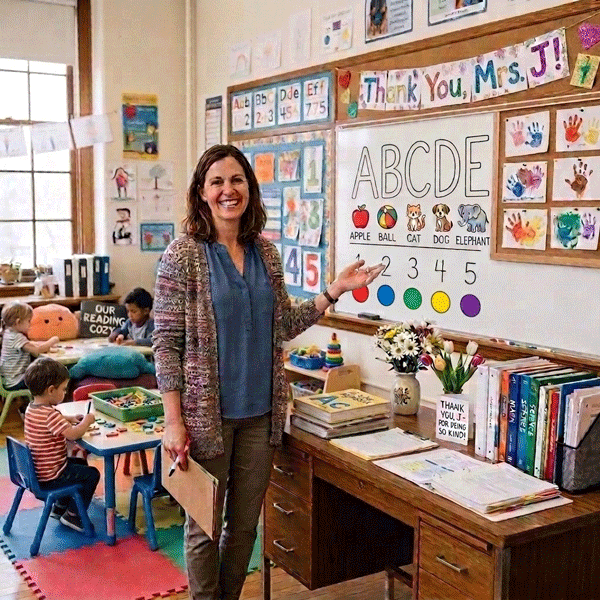
Improving staff morale in schools affects more than just teachers. It shapes the entire learning environment. When educators feel valued and motivated, that energy flows directly into their classrooms.
Schools that focus on improving teacher morale often see:
- Stronger collaboration among staff
- Better teacher retention rates
- Higher student engagement
- A more positive school culture overall
Happy, motivated educators are more likely to create supportive, engaging classrooms where students genuinely want to show up and learn.
What Causes Low Teacher Morale?
Before exploring ways to improve teacher morale, it helps to understand what drives it down in the first place.
Common challenges include:
- Limited resources and funding
- Heavy workloads and burnout
- Lack of recognition or appreciation
- Few opportunities for professional growth
- Poor communication from administration
These issues don’t disappear on their own. Addressing them directly – and intentionally – is the foundation of any effort to improve staff morale long-term.
How to Improve Staff Morale in Schools
Recognize and Celebrate Achievements

Recognition is one of the most effective ways to improve teacher morale, and it doesn’t require a big budget. Simple, consistent gestures signal to staff that their work is seen and valued.
Ideas include:
- Celebrating birthdays and professional milestones
- Highlighting staff accomplishments during meetings
- Offering small tokens of appreciation, gifts, or handwritten notes
- Creating a “Teacher of the Month” program
Even the smallest gestures can go a long way. When recognition becomes a regular habit rather than a rare event, it fundamentally shifts how staff feel about their workplace.
Build a Supportive Community
Teachers spend most of their day with students. That means time connecting with colleagues is limited, and that isolation adds up. Encouraging meaningful peer connection is one of the most underrated ways to lift morale.
Try building community through:
- After-school social gatherings like bowling nights, dinners, or movie outings
- Potlucks or shared meals in the staff room
- Team-building activities and icebreakers at the start of the year
Regular meetings that blend communication with social elements are especially effective. They give staff a reason to look forward to getting together, not just another item on the agenda.
Encourage Staff-led Morale Initiatives
Improving teacher morale works best when teachers are part of the solution. Empowering staff to take ownership of morale-building efforts creates a sense of shared investment in the school’s culture.
Consider:
- Starting a “sunshine club” to celebrate staff milestones
- Organizing peer recognition programs where teachers nominate each other
- Hosting informal events or themed dress-up days
When the ideas come from within the team, participation tends to be higher, and the impact feels more genuine.
Involve Parents and the School Community
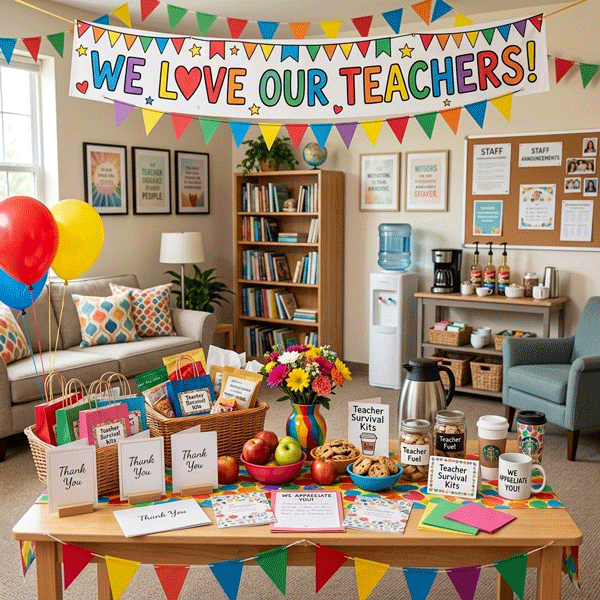
Teachers often feel underappreciated beyond the school walls. Bringing parents and the wider community into morale-building efforts sends a powerful message: the people outside the classroom see your work too.
Encourage parents to:
- Write thank-you notes or letters to teachers
- Participate in appreciation events and assemblies
- Contribute to classroom supply gifts or care packages
- Host or support teacher appreciation days
That external validation reinforces what school leaders should already be communicating internally – that teachers matter.
Promote Work/Life Balance
Burnout is one of the biggest drivers of low morale. Supporting work-life balance isn’t a luxury. It’s essential for sustaining a motivated teaching workforce.
Practical steps include:
- Allowing flexibility where schedules permit
- Encouraging regular breaks and wellness activities
- Limiting unnecessary after-hours expectations
- Respecting personal time and professional boundaries
When teachers feel respected as whole people, not just employees, morale naturally improves. And that sense of respect tends to be contagious throughout the school.
Offer Opportunities for Growth
Professional development does more than build skills. It signals that the school believes in its teachers’ futures, not just their current output.
Provide opportunities such as:
- Workshops and training sessions on relevant topics
- Mentorship programs pairing experienced and newer teachers
- Time to collaborate with peers on shared challenges
These investments tell staff that the school is committed to their growth – and that commitment builds loyalty and engagement over time.
Creating a Positive School Culture Long-term
Improving staff morale isn’t a one-time initiative. It requires consistent effort from leadership at every level.
Administrators and school leaders can:
- Lead by example with positive, forward-looking attitudes
- Keep communication open and transparent, especially during difficult periods
- Regularly ask for staff feedback – and act on it
- Create traditions that celebrate teachers throughout the year, not just during appreciation week
A culture of appreciation and respect doesn’t happen by accident. It’s built through daily decisions, consistent follow-through, and a genuine commitment to the people doing the work.
Simple Ideas to Improve Teacher Morale Every Day
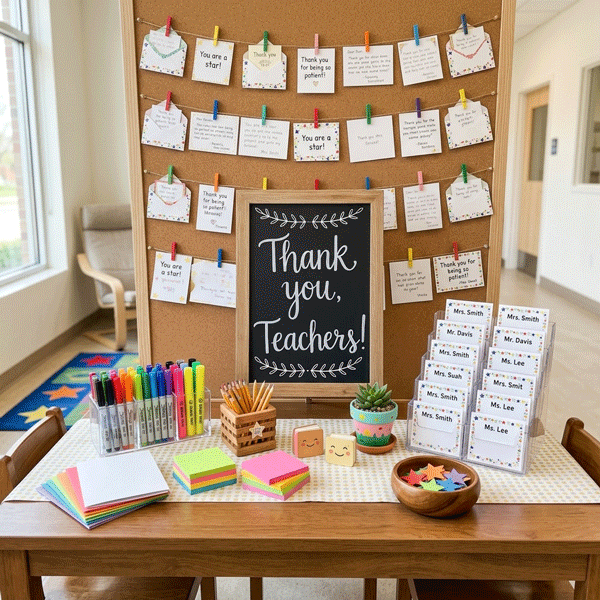
Not every morale-boosting effort needs to be a big event. Some of the most effective strategies are small, daily habits that add up over time.
Try these quick wins:
- Leave coffee or snacks in the staff room
- Send a quick thank-you email or handwritten note
- Give shout-outs during staff meetings
- Post positive messages in common areas
- Encourage peer-to-peer recognition between colleagues
These small actions create a more positive day-to-day environment—and a more positive environment makes everything else easier.
Start Small and Stay Consistent
Knowing how to improve staff morale in schools starts with recognizing the challenges teachers face and taking intentional steps to support them. Recognition, community building, professional development, and daily small gestures all contribute to a stronger, more positive school environment.
No single strategy will transform school culture overnight. But when efforts are consistent and genuine, the cumulative effect is significant. Start with one or two ideas from this list, build from there, and celebrate the people who make a difference every single day.
Frequently Asked Questions
What are the best ways to improve staff morale in schools?
The best ways to improve staff morale in schools include recognizing achievements, building community among staff, offering professional development, and promoting work-life balance. Small daily actions – like appreciation notes, staff gatherings, and peer shout-outs – also have a meaningful impact. Consistency matters more than the size of any individual gesture.
How can administrators improve teacher morale?
Administrators can improve teacher morale by communicating openly, recognizing accomplishments publicly, and creating opportunities for professional growth. Supporting work-life balance and encouraging collaboration among staff also helps significantly. When school leaders model positivity and appreciation, that attitude influences the entire school environment.
Why is improving teacher morale important?
Improving teacher morale directly affects student success, classroom engagement, and staff retention. Teachers who feel appreciated and supported are more motivated and more effective in the classroom. A positive work environment leads to stronger relationships, better collaboration between colleagues, and improved overall school performance.