
A dramatic play area is a vital part of any preschool classroom. It gives children a safe space to explore, imagine, create, play, and learn – free from the boundaries of reality. Through pretend play, children develop their own scenarios, resolve conflicts, and recreate experiences from the world around them.
Children naturally love pretending to be doctors, teachers, firefighters, store owners, and other community helpers. These experiences help build language, literacy, social-emotional skills, fine motor skills, gross motor skills, and cognitive thinking. Below, you’ll find practical dramatic play ideas, activities, and setup tips you can use in your classroom right away.
What Is Dramatic Play?
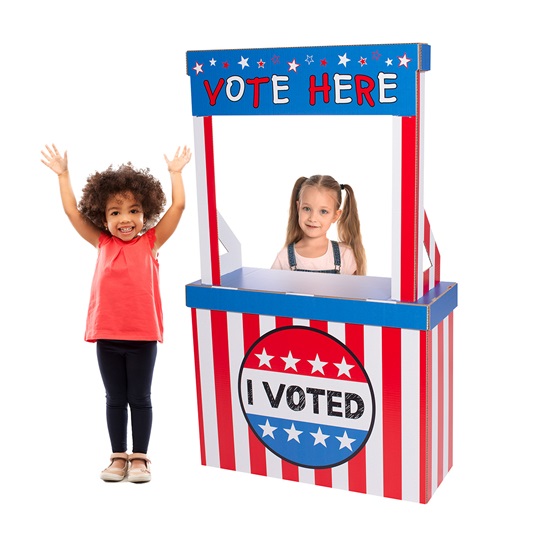
Dramatic play is an educational activity in which children use imagination, role-playing, and storytelling to explore real-world experiences and fictional scenarios.
Children’s imaginative play often includes:
- Pretending to run a restaurant
- Caring for pets in a veterinary clinic
- Operating a grocery store
- Acting out favorite books and stories
- Playing family and community roles
Fantasy play lets children experiment with ideas, practice communication, and build confidence through creative expression. It’s one of the most flexible and meaningful learning experiences you can offer young children.
Benefits of Dramatic Play in Early Childhood Education
Preschool dramatic play supports growth across every major area of development. Here’s how.
Cognitive Development
Dramatic play encourages problem-solving, decision-making, memory, and critical thinking. Children learn to create storylines, organize materials, and work through challenges as they play.
Social Development
Preschool dramatic play helps children:
- Share responsibilities
- Take turns
- Cooperate with peers
- Negotiate roles and rules
- Practice communication skills
Emotional Growth
Through role-playing, children explore emotions, develop empathy, and learn self-regulation skills in a supportive environment. Acting out a scary doctor’s visit, for example, can help a child feel more in control of a real one.
Language and Literacy Development
Children naturally expand their vocabulary and strengthen their listening and speaking skills as they interact with classmates and act out different situations.
How to Create a Successful Dramatic Play Area

A well-designed play space invites children in and gives them the tools to imagine. Focus on four things.
Props and Costumes – Stock your area with hands-on materials such as:
- Dress-up clothes
- Hats and uniforms
- Play food
- Telephones
- Notebooks
- Cash registers
- Stuffed animals
Flexible Learning Space – Arrange furniture so children can easily transform the area into different settings and scenarios.
Safe and Organized Materials – Provide age-appropriate materials and keep them organized so children can independently access what they need.
Rotate Themes Regularly – Changing themes every few weeks keeps excitement high and introduces fresh learning opportunities.
Dramatic Play Ideas and Activities for Preschoolers
One of the most effective ways to keep preschool make-believe activities engaging is by introducing seasonal or interest-based themes. Popular ideas include:
Community Helper Center – Children explore jobs such as doctors, nurses, teachers, firefighters, and police officers
Grocery Store – Children sort food, create shopping lists, count items, and practice customer service skills
Pet Hospital – Children care for stuffed animals while learning responsibility and empathy
Restaurant or Pizzeria – This theme encourages literacy, math, communication, and teamwork
Campsite Adventure – Children pretend to camp, cook meals, observe wildlife, and tell stories around an imaginary campfire
The Teacher’s Role in Children’s Dramatic Play
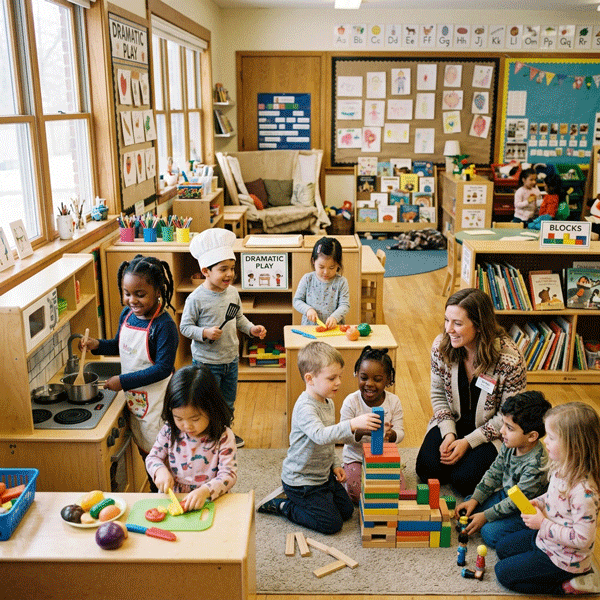
Teachers play an important role in supporting imaginative play without controlling it. Educators can:
- Introduce new themes and materials
- Ask open-ended questions
- Model language and communication skills
- Encourage problem-solving
- Observe social interactions
- Assess developmental progress
The best play experiences balance child-led creativity with thoughtful teacher guidance.
Integrating Learning Objectives
Play activities for preschoolers can support important educational goals. With a little planning, you can tie pretend play directly to your curriculum.
| Learning Area | Dramatic Play Example |
| Literacy | Writing menus, signs, or shopping lists |
| Math | Counting money, measuring ingredients |
| Science | Exploring animals, weather, or nature themes |
| Social Studies | Learning about community helpers |
| Social-Emotional Learning | Practicing empathy and cooperation |
By intentionally selecting themes, teachers connect dramatic play preschool activities with classroom curriculum goals.
How Families Can Support Play at Home
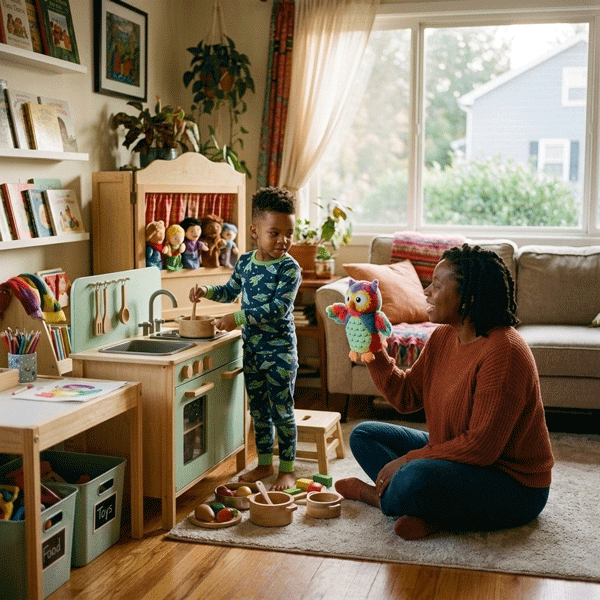
Families can significantly enrich play experiences. Family engagement strengthens the learning connection between school and home. Ways to involve parents include:
- Donating costumes and props
- Sharing work experiences related to classroom themes
- Reading books that inspire role-play
- Creating dramatic play opportunities at home
Common Challenges and Practical Solutions
Even the best play centers run into a few bumps. Here’s how to handle the most common ones.
- Limited materials – Ask families to donate gently used household items and props.
- Unequal participation – Establish simple turn-taking systems and rotate roles.
- Maintaining interest: – Regularly introduce new dramatic play props and themes based on children’s interests.
- Managing space: – Use portable storage and flexible classroom layouts to maximize available space.
Supporting Learning Through Dramatic Play
Dramatic play is much more than pretend play. It’s a powerful learning experience that supports cognitive, social, emotional, language, and physical development. A thoughtfully designed dramatic play area encourages creativity, collaboration, and meaningful learning.
Whether children are running a pizzeria, caring for animals, or acting out a favorite story, fantasy play gives them the chance to explore the world, express themselves, and build skills that support lifelong learning. Start with one theme this week, gather a few props, and watch your students’ imaginations take over.
Frequently Asked Questions
What is dramatic play in preschool?
It is a type of imaginative play where children act out real-life situations, stories, or roles. Preschool dramatic play helps children develop communication, social skills, creativity, and problem-solving abilities while exploring the world around them.
What are some dramatic play activities for preschoolers?
Popular activities for preschoolers include grocery stores, pet hospitals, restaurants, post offices, campsites, and community helper centers. These activities encourage role-playing, teamwork, language development, and creative thinking through hands-on learning experiences.
Why is children’s dramatic play important?
Children’s play supports cognitive, social, emotional, and language development. Through pretend scenarios, children learn to cooperate with others, express emotions, build confidence, practice communication skills, and strengthen critical thinking in meaningful and engaging ways.