
Backpacks in classrooms can do much more than carry supplies home. A well-planned classroom backpack system can help teachers organize materials, support learning activities, encourage reading, simplify field trips, and even create fun reward or fundraising opportunities.
Whether you teach preschool or fifth grade, the backpack classroom concept is surprisingly versatile. With a little planning, a standard backpack becomes a structured tool that supports routines, encourages independence, and keeps both students and teachers organized.
If you are looking for practical ways to use a classroom backpack, here are creative ideas you can put into action right away.
Why Use Backpacks in Classrooms?
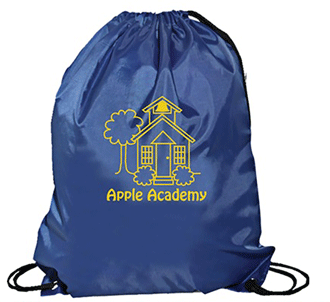
A backpack in classroom settings gives students a portable, familiar way to keep materials organized. Students already associate backpacks with school—so repurposing them as classroom tools feels natural and intuitive.
Beyond familiarity, backpacks are durable, easy to label, and available in a range of sizes. For teachers, that makes them ideal for creating grab-and-go stations for reading, projects, communication folders, or themed learning kits.
Using backpacks in classrooms works especially well when you want to:
- Reduce clutter and keep surfaces clear
- Keep materials organized by student or group
- Send items between school and home reliably
- Create mobile learning kits for centers or rotations
- Add fun, student-friendly storage options that kids actually want to use
How to Use a Classroom Backpack for Organization and Learning
A classroom backpack system works best when each backpack has a clear purpose. Rather than functioning as a catch-all storage tool, each backpack should be assigned a specific role.
For example, you can organize backpacks by:
- Subject — math, reading, science
- Student group or table — color-coded by team
- Activity type — centers, projects, independent work
- Rotation system — for small group instruction
This approach allows students to quickly grab what they need without disrupting the flow of the lesson. It also supports structured, repeatable routines—something especially valuable in early education environments where predictability reduces anxiety and increases engagement.
How to Use Backpacks in Classrooms as School Supplies Organizers
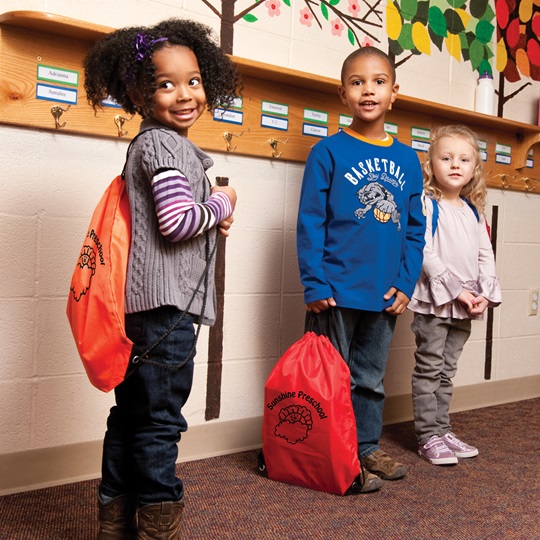
One of the most effective uses of backpacks in classrooms is straightforward organization. Assign backpacks to students or groups to keep supplies in one central, easy-to-access place.
A classroom backpack used for organization can store:
- Pencils, markers, and crayons
- Notebooks and folders
- Glue sticks, scissors, and small tools
- Daily work or homework materials
This setup reduces the time spent searching for lost items at the start of each activity. More importantly, it helps students take ownership of their materials—a habit that builds responsibility over time.
Themed Learning Activities: Science, Math, Reading, and More
A classroom backpack can be transformed into a themed learning kit that supports specific lessons or units. This works particularly well for differentiated instruction, where different groups need access to different materials at the same time.
Examples include:
- Science backpacks — experiment materials, observation sheets, safety goggles
- Math backpacks — manipulatives, flashcards, and number lines
- Reading backpacks — leveled books and comprehension question cards
- History backpacks — visual timelines, maps, and activity prompts
These backpacks make lessons more interactive and hands-on. Teachers can rotate them between groups with minimal setup, keeping transitions smooth and learning momentum intact.
Creative Backpack Ideas for Rewards, Fundraisers, and School Events
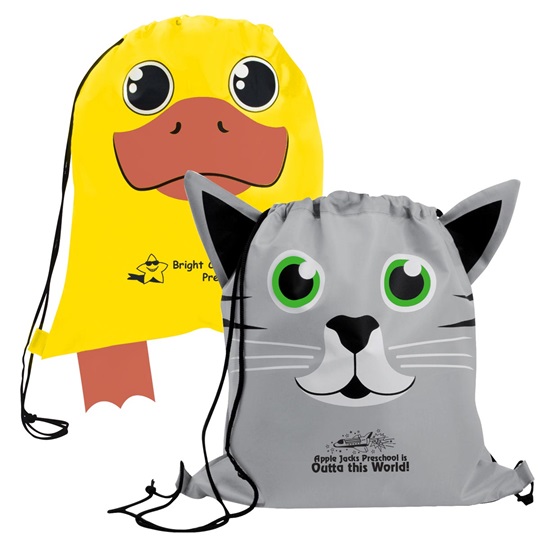
Backpacks in classrooms can also support engagement well beyond academics. They are easy to customize, distribute, and repurpose for school-wide initiatives—making them a practical choice for events that need both impact and function.
Student Rewards and Incentives
Backpacks work well as student rewards because they feel both exciting and genuinely useful. A student who earns a backpack is getting something they can use every day—which makes the reward feel meaningful rather than throwaway.
Use a backpack in a classroom reward system for:
- Positive behavior recognition
- Academic achievement milestones
- Attendance incentives
- Classroom participation programs
To enhance the experience, fill the backpack with small items such as school supplies, bookmarks, or activity kits. The contents make the reward feel even more special.
Fundraising Opportunities
Backpacks can play a practical role in school fundraising by combining a useful product with a meaningful cause. Families are far more likely to purchase something they know their child will use every day.
Ways to use backpacks for fundraising include:
- Selling backpacks customized with school branding or class artwork
- Creating themed backpacks tied to specific events or programs
- Bundling backpacks with supplies to increase perceived value
This approach works because it avoids the typical fundraising pitfall—selling products that sit unused. A quality backpack stays in rotation for years.
Event Giveaways and School Celebrations
Beyond fundraising, backpacks make memorable giveaways for classroom celebrations, end-of-year events, or spirit days. Fill them with themed items, branded materials, or fun surprises. Students leave with something they can use—and a positive memory attached to it.
Backpacks in Classrooms for Reading, Reflection, and Home Communication
A backpack in classroom routines works especially well for activities that extend beyond a single lesson. When used as a bridge between school and home, a classroom backpack becomes one of the most reliable tools a teacher has.
Classroom Library and Take-Home Reading
Backpacks can be turned into portable reading stations, giving students easy access to books and literacy tools both at school and at home. Each reading backpack may include:
- Books matched to a specific reading level
- A reading log
- Comprehension questions
- Vocabulary or activity cards
This setup makes it easy to differentiate instruction without drawing attention to individual reading levels—and it encourages families to participate in the reading process at home.
Personal Reflection and Journaling
Backpacks can support social-emotional learning by housing journaling materials and reflection activities. A dedicated reflection backpack might include:
- A journal or notebook
- Writing prompts and drawing pages
- Goal-setting worksheets
This creates a consistent, private space for students to process their thoughts. Over time, it builds self-awareness and emotional vocabulary—skills that benefit learning across every subject.
Parent-Teacher Communication
A backpack in classroom routines can serve as a reliable communication channel between teachers and families. Include items such as:
- Weekly updates or newsletters
- Behavior charts and reading logs
- Permission slips and completed assignments
Using backpacks this way ensures important information consistently reaches home. It also helps families stay actively involved in their child’s learning—without requiring teachers to chase down signatures or resend missing forms.
Field Trip Essentials: Keeping Students Organized on the Go
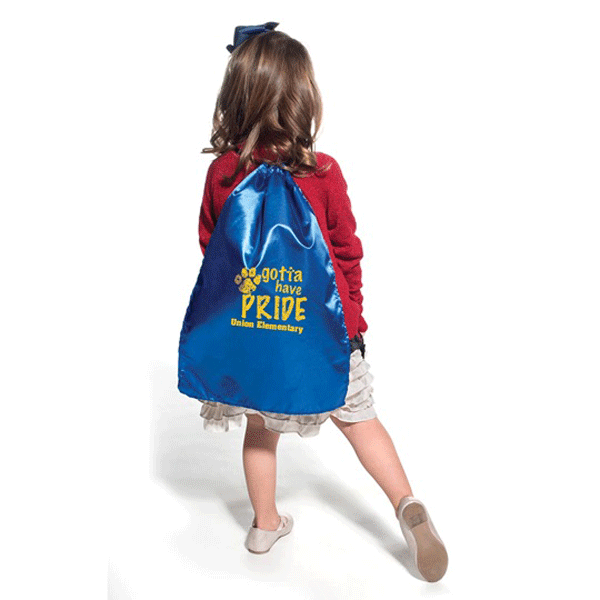
Backpacks in classrooms are especially useful for field trips, where organization and preparedness are critical. A dedicated field trip backpack ensures every student has what they need—and nothing they don’t.
A field trip classroom backpack may include:
- Water bottle and snack
- Activity sheets or clipboard
- Pencils and small supplies
- Name tags or emergency contact information
Teachers can also use this as a teaching opportunity. Having students pack and check their own backpacks reinforces responsibility and practical life skills. A simple checklist tucked inside the front pocket makes the process fast and independent.
Collaborative Projects: Backpacks That Support Group Work
A classroom backpack can support group work by holding all necessary materials for a team-based activity. Rather than distributing supplies individually at the start of each session, teachers simply assign each group a backpack.
Each group backpack can include:
- Project instructions
- Shared supplies
- Worksheets or research materials
- Presentation tools
This approach encourages teamwork while keeping materials organized. Students learn to share resources and manage group responsibilities—skills that are just as important as the academic content itself.
Your Next Step: Build a Backpack System That Works for Your Classroom
There is no single right way to use backpacks in classrooms. The best system is the one that fits your teaching style, your students’ needs, and your classroom routines.
Start small. Introduce one or two themed backpacks and see how your students respond. Once the system clicks, expand it—add subject-specific kits, a take-home reading rotation, or a reward program. Over time, you will have a flexible, low-cost organizational tool that supports learning across nearly every part of your school day.
Looking for customizable backpacks to get started? AlphabetU has you covered. Browse our full range of classroom backpacks and school supplies designed for teachers who want practical tools that actually work.
Frequently Asked Questions
What are the best ways to use backpacks in classrooms?
The best ways to use backpacks in classrooms include organizing student supplies, creating themed learning kits, building mobile reading stations, preparing field trip essentials, and sending communication materials between school and home. The most effective approach is to assign each backpack a clear purpose so students and teachers can use it consistently.
How can a classroom backpack improve organization?
A classroom backpack improves organization by giving students or groups one designated place to keep supplies, papers, and learning materials. Instead of loose items collecting around the room, teachers can store materials by subject, reading level, or activity type—making daily routines faster and easier to manage.
Can a backpack in classroom routines be used for more than supplies?
Yes. A backpack in classroom routines can be used for reading kits, journaling packs, take-home communication folders, small-group project kits, or reward bundles. This makes it a flexible tool for both learning and classroom management—not just storage.
Are classroom backpacks effective for student rewards?
Backpacks are highly effective as student rewards because they feel exciting and remain useful long after the reward is given. Filling them with school supplies, activity kits, or bookmarks adds extra value and makes the recognition feel personal and meaningful.
How do teachers use backpacks for school fundraising?
Teachers and school administrators use customized backpacks as fundraising items by branding them with school logos, tying them to specific events, or bundling them with useful supplies. Families are more likely to support fundraisers that offer products their children will actually