
A kindergarten or preschool open house carries far more weight than most educators realize. They serve as a family’s initial real impression of your school, establishing the tone for an entire year of parent-school trust. Yet, many planning guides treat these crucial evenings as mere logistical exercises. A truly successful open house functions as a powerful community-building event.
If you are feeling the pressure of planning, take a deep breath. Hosting a great open house does not have to be an overwhelming chore. You can create an intentional, welcoming experience with a few strategic adjustments to your environment, activities, and communication.
The kindergarten and preschool open house ideas ahead are completely doable. You will leave with a highly organized playbook covering room setup, student showcases, parent sessions, and post-event follow-through. Let this guide serve as your practical roadmap to executing the best kindergarten open house ideas your community has ever seen.
Set the Scene Before Families Walk Through the Door
First impressions form long before a single conversation takes place. They happen in the parking lot, at the main entrance, and down the main hallway. Establishing a physical environment that signals belonging is an easy way to make families feel comfortable the moment they arrive.
Clear Signage and Wayfinding
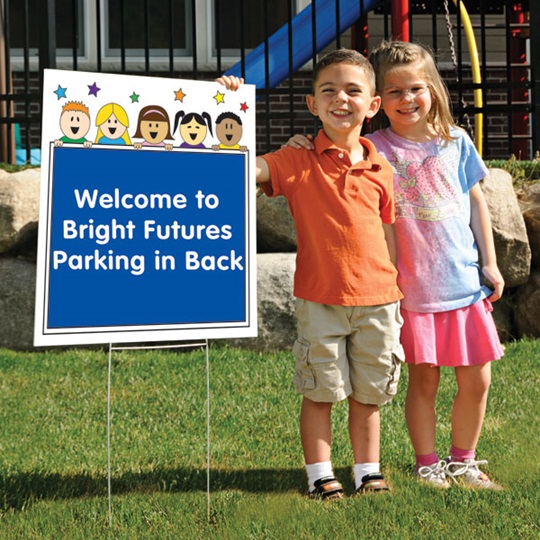
Make your exterior welcome obvious. Place clear signage at the entrance and parking area, and use balloons or school banners at the main door. You should also hang directional signage throughout the hallways so families feel oriented. This is especially critical for first-time visitors who might feel anxious about navigating a new building.
Informational Stations and Displays
Set up informational stations near the entrance with an event schedule, campus map, and a staff directory. You can also feature display tables for classroom projects – visible directly from entry points. This creates immediate visual interest before families even reach the classrooms.
Assign a volunteer or staff member to greet families at the entrance. A festive environment sets the mood, but a warm, human face locks that feeling in.
Showcase What Your Students Can Do
A student showcase shifts the focus. It turns the evening from a school talking about itself into a school demonstrating what it actually does. Organizing and framing student work correctly communicates program quality to parents and builds genuine confidence in your young learners.
Try creating a deliberate gallery walk through the showcase instead of using an open-ended layout. Families moving through a guided path will naturally slow down and engage more deeply with the materials. Segment these displays by age group or classroom to help prospective families picture the progression of learning.
Make sure to use personalized signage at each station. Adding student name cards, classroom labels, and project titles makes the displays feel carefully curated.
Plan Activities That Work for Every Age in the Room
Open house events draw a mixed audience. You will likely host enrolled preschoolers, older siblings, parents, and sometimes grandparents. Tiered activity planning keeps every guest engaged while reinforcing your school culture.
- For young children, set up simple craft stations where they can make a take-home keepsake. This gives parents something tangible and reinforces a positive school experience.
- For older siblings, create a mini scavenger hunt through the school. This gives tweens something fun to do while doubling as a self-guided tour.
- Keep adult engagement in mind by establishing structured conversation stations near classrooms. Staff can answer informal questions while parents explore.
Create Parent Sessions That Actually Build Trust
Parents want to understand the school environment deeply. Informative sessions communicate your curriculum philosophy and introduce school leadership without turning the evening into a dry lecture.
Keep these sessions short, aiming for ten to fifteen minutes maximum. Repeat them across the evening so parents can drop in without missing other parts of the event. Focus your content on what makes your program unique and how your staff approaches early childhood development. Use concrete examples instead of abstract mission statements.
Provide resource tables stocked with practical take-homes. Academic calendars, volunteer opportunity overviews, and school policy summaries give parents the tools they need to stay involved.
Feed the Crowd – Thoughtfully
Refreshments serve as an excellent pacing tool for your kindergarten or preschool open house. Good food setups slow families down, establish natural gathering points, and give staff organic opportunities to connect with parents.
- Keep the kid-friendly snack station simple and recognizable. Fruit skewers, granola bars, and juice boxes work perfectly.
- Avoid anything requiring utensils or foods that create a high mess.
- Label everything clearly with dietary considerations, noting nut-free and gluten-free options. This signals attentiveness and care.
- Create a parent café corner featuring coffee, tea, and a few pastries. Provide tables and chairs, as seating encourages conversation and lingering.
Add Contests, Prizes, and Friendly Competition
Engagement tends to drop at any event that becomes purely informational. Well-executed contests and prizes sustain energy and give families a reason to explore different parts of the building.
Incorporate simple guessing games tied to school facts, like asking how many books sit in the library. This encourages exploration. You can also run a raffle structure where attendees earn additional tickets by visiting different stations. Draw winners at intervals rather than waiting until the end to maintain energy.
Use custom school gear for prizes. Backpacks, water bottles, and classroom supply bundles reinforce your school identity perfectly.
Go Themed – Seasonal and Cultural Ideas That Actually Work
A strong theme elevates your open house from a well-organized night to a memorable experience. Choose a theme that ties your décor, activities, and food together cohesively.
Seasonal themes work exceptionally well for open house ideas for preschool or kindergarten. A Fall Festival theme can include an apple cider station, warm lighting, and leaf-print crafts. A Spring Bloom theme might feature flower-pot craft stations and seed packet take-homes.
A Diversity and Cultural Celebration Night is a highly substantive option. Use multilingual welcome signage, offer international food samples, and host stations representing different cultures present in your school community.
Use Technology to Extend Your Reach
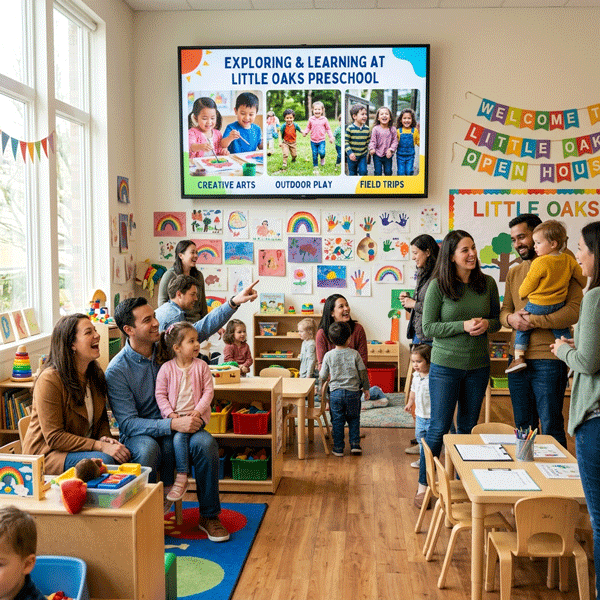
Technology additions should be inclusive and practical, extending your event’s impact beyond the evening itself.
- Offer a virtual tour option for families who cannot attend in person. A simple pre-recorded walkthrough recorded on a smartphone removes transportation and scheduling barriers.
- In high-traffic areas, loop a digital slideshow of student activities and field trips. Visual storytelling speaks to parents much faster than a standard brochure.
- Place QR codes at various stations linking to your school website, enrollment forms, or digital resource handouts. You can generate these for free using tools like qr-code-generator.com.
Build Community Beyond School Walls
The strongest open houses position the school as a connected hub within the broader neighborhood. Integrate local partners and community resources to build lasting goodwill.
Invite local organizations to set up informational booths. Representatives from the public library, pediatric health clinics, or local parks and recreation programs add genuine value for attending families.
You can also compile a printed community resource guide detailing local family services and seasonal events. Families will hold onto this useful document, keeping your school top of mind long after the event ends.
Don’t Drop the Ball After the Event – Follow Up Well

What happens in the days following your open house determines if families feel truly welcomed or quickly forgotten. A concrete post-event playbook is essential.
- Send a brief, warm thank-you email within 48 hours. Personalize the message by referencing a specific session or the event theme.
- Post a curated highlight reel of photos on your social media channels, tagging participating community partners to extend your reach.
- Send a short survey to collect feedback while the experience remains fresh. Ask attendees what worked well and what felt confusing. Honor their input by applying it to your planning process for next year.
Focus on Intention Over Perfection
A great kindergarten or preschool open house centers entirely on intention. Families will remember how the event made them feel: seen, welcomed, and confident in their educational choice. You can scale these principles up or down depending on your specific budget and community size.
Ready to make your open house look exactly as good as it feels? AlphabetU provides the custom signs, banners, decorations, and school-branded keepsakes to help you pull it all together without the last-minute scramble.